Addressing cybersecurity challenges in remote work environments
Addressing cybersecurity challenges in remote work environments requires a multi-faceted approach. First, organizations should ensure that remote access to company networks is secured through robust authentication methods like multi-factor authentication and the use of virtual private networks (VPNs) to encrypt data transmission.
Regular software updates and patches should be applied to all devices to mitigate vulnerabilities. Employee training programs should educate remote workers about cybersecurity best practices, including recognizing and avoiding phishing attempts and maintaining strong password hygiene.
Endpoint security solutions, such as antivirus software and endpoint detection and response (EDR) tools, should be deployed to protect devices from malware and unauthorized access. Additionally, implementing strict access controls and monitoring tools can help detect and respond to suspicious activity in real-time.
Finally, organizations should establish clear policies and procedures for securely handling sensitive data in remote work settings. Collaboration between IT teams, employees, and management is essential to maintain a proactive cybersecurity posture in remote work environments.
Introduction to Remote Work Security
Remote work presents unique cybersecurity challenges, requiring organizations to adapt their security strategies accordingly. Securing remote access to company networks is paramount, necessitating the use of robust authentication methods like VPNs and multi-factor authentication.

Endpoint security becomes critical as employees work from various locations, necessitating measures such as antivirus software and encryption. Employee training on cybersecurity best practices is essential to mitigate risks like phishing attacks.
Establishing clear security policies and procedures for remote work is crucial, along with implementing monitoring tools and incident response plans to detect and respond to threats effectively. Collaborative efforts are vital to maintaining a secure remote work environment.
should follow these simple recommendations:
- Use Strong Passwords and Enable Multi-Factor Authentication (MFA):
- Update Software Regularly
- Secure Home Networks
- Be Cautious of Phishing and Report Suspicious Activity
Remote Access Security
Remote access security is critical for safeguarding company networks in remote work environments. Utilizing virtual private networks (VPNs) encrypts data transmission, ensuring sensitive information remains protected from unauthorized access. Implementing multi-factor authentication adds an extra layer of security by requiring additional verification beyond passwords.
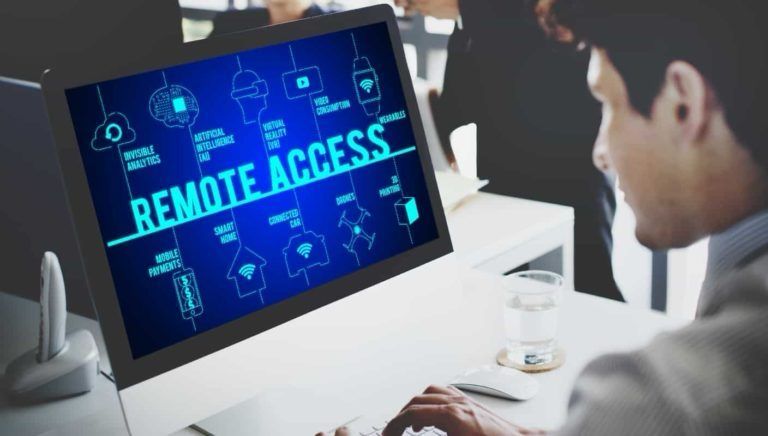
Secure Wi-Fi connections and strong password policies further fortify remote access defenses. Regularly updating software and patches on all devices mitigates vulnerabilities. Employing endpoint security solutions such as antivirus software and firewalls protects individual devices from malware and unauthorized access. Combined, these measures establish a secure remote access infrastructure, reducing the risk of data breaches and cyber attacks.
- Utilize Virtual Private Networks (VPNs)
- Implement Multi-Factor Authentication (MFA)
- Secure Wi-Fi Connections
- Limit Access Permissions
Endpoint Security
Endpoint security is vital in remote work environments, safeguarding individual devices from cyber threats. It involves deploying antivirus software, firewalls, and encryption to protect laptops, smartphones, and other endpoints. Regular software updates and patches should be applied to mitigate vulnerabilities.
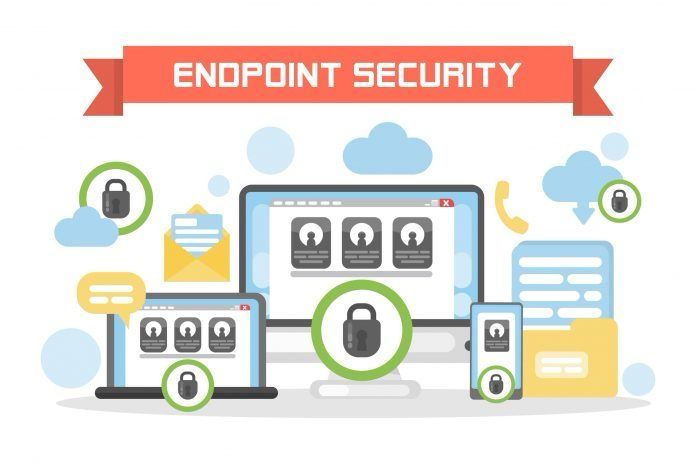
Endpoint security solutions help detect and prevent malware, unauthorized access, and data breaches. Additionally, endpoint security measures should include secure configuration management and device encryption to safeguard sensitive data
Employee training on endpoint security best practices is crucial to ensure remote workers understand the importance of maintaining a secure endpoint environment. Collaborative efforts between IT teams and employees are essential to uphold robust endpoint security standards.
- Introduction: Endpoint security's importance in remote work.
- Components: Antivirus, firewalls, encryption, updates.
- Threats: Detection and prevention of malware, breaches.
- Collaboration: IT and remote workers' teamwork.
Employee Training and Awareness
Employee training and awareness initiatives in cybersecurity for remote work environments serve several crucial purposes. Firstly, they educate employees on identifying and mitigating cyber threats like phishing attacks, thereby reducing the likelihood of successful breaches. Secondly, these programs instill a culture of vigilance, encouraging employees to stay alert to potential security risks and report suspicious activities promptly.

dditionally, ongoing training and awareness efforts help reinforce security best practices, ensuring that remote workers understand and adhere to company policies and procedures. Lastly, these initiatives contribute to building a resilient cybersecurity posture by empowering employees to take proactive measures to protect sensitive data and maintain secure remote work practices.
- Risk Mitigation: Identifying and Responding to Cyber Threats
- Vigilance Promotion: Cultivating a Security-Aware Culture
- Policy Adherence:Ensuring Compliance with Cybersecurity Protocols
- Skill Reinforcement:Training for Secure Work Practices
- Building Resilience: Empowering Employees for Cybersecurity Defense
Security Monitoring and Incident Response
Security monitoring and incident response are critical components of any cybersecurity strategy, particularly in remote work environments. Effective monitoring involves continuously analyzing network traffic, system logs, and user activity to detect suspicious behavior or potential security incidents.

In the event of a security breach or incident, a well-defined incident response plan outlines the steps to be taken to contain the threat, investigate the root cause, mitigate damage, and restore normal operations. This includes coordinating with relevant stakeholders, such as IT teams, management, and law enforcement if necessary, to ensure a swift and effective response to cyber threats.
Collaboration and Communication Security
Collaboration and communication security in remote work environments is crucial for safeguarding sensitive information. Encryption protocols should be implemented for all communication channels, including email, messaging apps, and video conferencing platforms, to prevent unauthorized access. Organizations should prioritize tools with end-to-end encryption and robust authentication mechanisms.

Additionally, employees must be trained on secure communication practices, such as verifying recipients before sharing confidential information and using secure file transfer methods. Regular audits and updates to communication systems ensure adherence to security standards and mitigate potential vulnerabilities. Collaboration between IT teams and employees is essential for maintaining a secure remote work environment.
- Encryption protocols for all communication channels.
- Prioritize tools with end-to-end encryption and robust authentication.
- Employee training on secure communication practices.
- Regular audits and updates to communication systems.
- Collaboration between IT teams and employees for effective implementation.
Remote Work Technology Trends
Remote work technology trends are rapidly evolving to meet the demands of modern work environments. One significant trend is the adoption of cloud-based collaboration tools, enabling seamless communication and file sharing among remote teams. Additionally, the rise of virtual private networks (VPNs) and zero-trust security models reflects a heightened focus on securing remote access to corporate networks.

Another notable trend is the proliferation of video conferencing platforms, facilitating virtual meetings and collaboration. Furthermore, the integration of artificial intelligence (AI) and automation technologies is streamlining workflows and enhancing productivity in remote settings. These trends underscore the ongoing transformation of remote work technology to meet the evolving needs of distributed teams.
- Cloud collaboration: Remote team communication, file sharing.
- VPNs, zero-trust:Secure remote network access.
- Video conferencing:Virtual meetings for remote teams.
- AI, automation:Boosting productivity in remote work.